
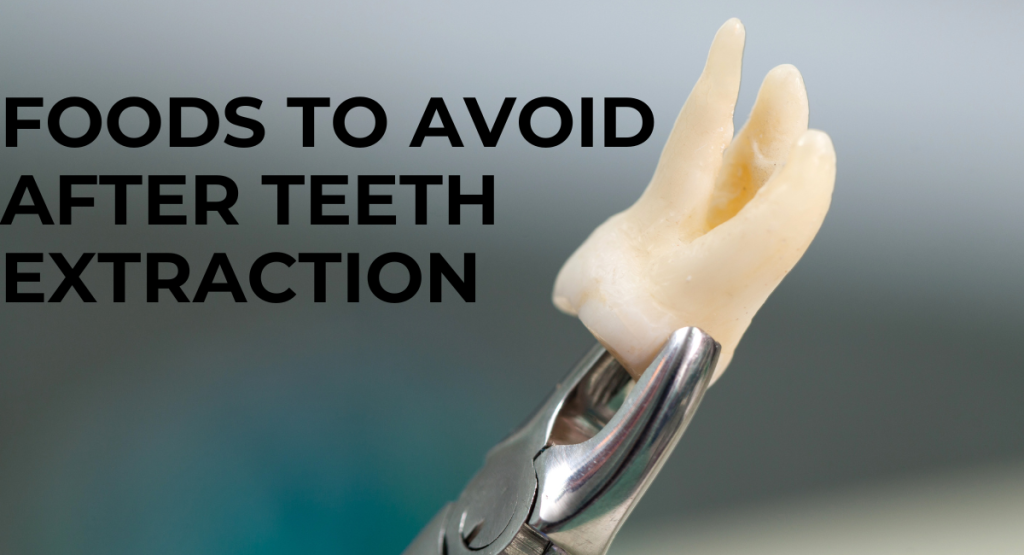
Getting a tooth extracted—whether it’s a wisdom tooth or a damaged molar—can be a relief, but the recovery process requires care, especially in Bangladesh’s busy cities like Dhaka or Chattogram. What you eat plays a huge role in healing, and knowing the foods to avoid after teeth extraction is key to preventing pain, infection, or complications like dry socket. In a country where spicy biryani, crunchy jilapi, and paan are staples, choosing the right foods post-extraction can be tricky. This guide covers the foods to avoid after teeth extraction, safe alternatives, and tips tailored for Bangladeshi lifestyles, ensuring a smooth recovery whether you’re in Sylhet or Cox’s Bazar.
Why Diet Matters After Teeth Extraction
After a tooth extraction, your mouth forms a blood clot at the extraction site, which protects the wound and promotes healing. Eating the wrong foods can dislodge this clot, delay recovery, or cause infections, especially in Bangladesh’s humid climate where bacteria thrive. The foods to avoid after teeth extraction include anything that’s hard, spicy, or sticky, as these can irritate the wound or get stuck in the socket. By steering clear of these, you reduce pain and speed up healing, getting back to enjoying mishti or fish curry sooner.
What Happens During Teeth Extraction?
Teeth extraction, done by dentists at clinics like Square Hospital (Dhaka) or Max Hospital (Chattogram), involves removing a tooth due to decay, crowding, or wisdom tooth issues. Post-procedure, you’ll have a sensitive wound that needs 7–14 days to heal. The first 48 hours are critical, as the blood clot forms and stabilizes. Eating the wrong foods during this time can cause complications like dry socket, a painful condition where the clot is lost, exposing bone. Understanding the foods to avoid after teeth extraction helps you protect this clot and recover smoothly.
Foods to Avoid After Teeth Extraction
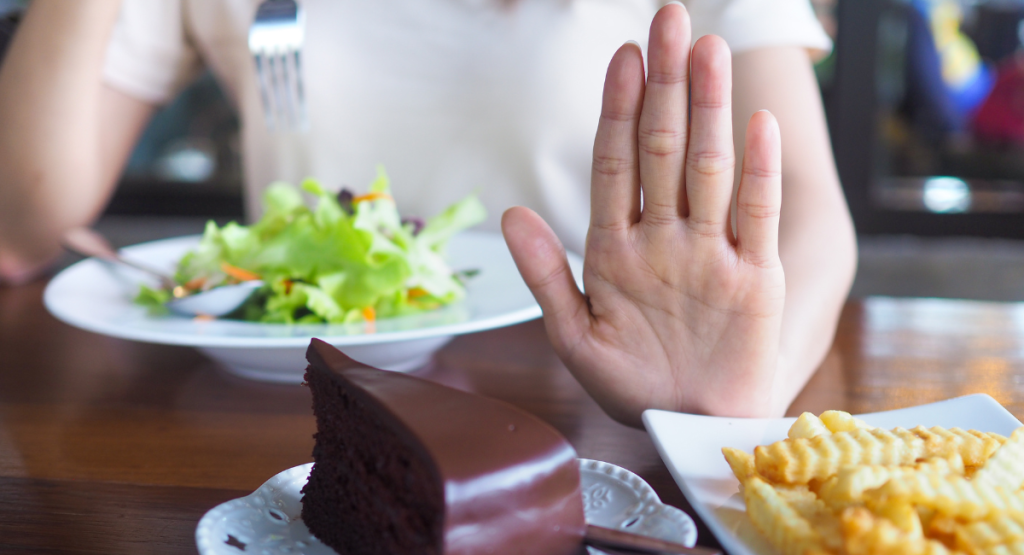
To ensure a complication-free recovery, here are the foods to avoid after teeth extraction, with alternatives suited for Bangladeshi diets:
1. Hard and Crunchy Foods
Hard foods like nuts, chanachur, or crispy bharta can dislodge the blood clot or irritate the wound. These are common snacks in Bangladesh, but they’re risky post-extraction.
- Examples: Almonds, peanuts, chanachur, fried pakoras, or hard biscuits (available at New Market).
- Why Avoid: Their sharp edges can poke the extraction site, causing pain or infection.
- Alternative: Opt for soft khichuri made with mushur dal (~BDT 50/kg, local bazaars) or mashed banana (~BDT 100/dozen).
Avoiding these is a key food to avoid after teeth extraction to protect your healing socket.
2. Spicy Foods
Bangladesh’s love for spicy jhal muri, fuchka, or chili-laden curries can make recovery painful. Spices irritate the wound, causing burning or swelling.
- Examples: Jhal muri, fuchka, spicy beef curry, or chili pickles.
- Why Avoid: Spices like chili or turmeric in high amounts can inflame sensitive tissues.
- Alternative: Try mild vegetable soups or shuji halwa (~BDT 20 for shuji) for a soothing, spice-free option.
Steering clear of spicy dishes is a critical food to avoid after teeth extraction in Bangladesh’s spice-heavy cuisine.
3. Sticky and Chewy Foods
Sticky foods like mishti, roshogolla, or paan can get lodged in the extraction site, increasing infection risk in humid weather.
- Examples: Roshogolla, laddu, chewing gum, or betel nut with paan.
- Why Avoid: Sticky textures cling to the wound, disrupting the clot.
- Alternative: Choose yogurt (~BDT 100/liter, local stores) or mashed sweet potato (~BDT 50/kg).
This food to avoid after teeth extraction ensures your socket stays clean and clot-intact.
4. Hot Foods and Drinks
Hot chai or steaming dal is a Bangladeshi staple, but high temperatures can dissolve the blood clot, slowing healing.
- Examples: Hot tea, coffee, piping-hot khichuri, or spicy soups.
- Why Avoid: Heat can disrupt the clot, leading to dry socket.
- Alternative: Drink lukewarm shorbot (~BDT 20 for ingredients) or room-temperature milk.
Avoiding hot items is a vital food to avoid after teeth extraction for safe recovery.
5. Acidic Foods and Drinks
Acidic foods like tamarind chutney or fizzy drinks can sting the wound and weaken enamel around the extraction site.
- Examples: Tamarind chutney, Coca-Cola, lemon juice, or raw mango.
- Why Avoid: Acid irritates the wound and delays healing.
- Alternative: Sip coconut water (~BDT 50, local vendors) or eat ripe papaya (~BDT 60/kg).
This food to avoid after teeth extraction protects your sensitive gums.
6. Small, Seedy Foods
Tiny particles like rice grains or sesame seeds can get trapped in the socket, causing irritation or infection.
- Examples: Puffed rice (muri), sesame-laden sweets, or small fish with bones.
- Why Avoid: Seeds lodge in the wound, risking bacteria growth.
- Alternative: Opt for smooth dal or mashed potato (~BDT 40/kg).
Avoiding these is a practical food to avoid after teeth extraction in Bangladesh’s rice-heavy diet.
Safe Foods to Eat After Teeth Extraction
To heal quickly, focus on soft, mild, and nutrient-rich foods that won’t irritate the extraction site. Here are Bangladeshi-friendly options:
- Khichuri: Made with mushur dal and soft rice (~BDT 50/kg), it’s easy to swallow.
- Mashed Fruits: Bananas, papaya, or ripe mango (~BDT 60–100/kg) provide vitamins.
- Yogurt: Plain or sweet yogurt (~BDT 100/liter) soothes and cools the mouth.
- Vegetable Soup: Blend carrots or pumpkin (~BDT 40/kg) for a nutrient-packed meal.
- Porridge: Shuji or oats (~BDT 100/kg, Daraz) are filling and gentle.
These foods complement the foods to avoid after teeth extraction, ensuring a smooth recovery.
Day-by-Day Eating Guide Post-Extraction
Day 1–2: Liquid and Soft Foods
The first 48 hours are critical for clot formation. Stick to liquids and very soft foods:
- Lukewarm shorbot or milk (~BDT 20–50).
- Blended vegetable soup or yogurt.
- Avoid straws, as suction can dislodge the clot, a key food to avoid after teeth extraction tip.
Day 3–5: Soft Solids
Introduce soft solids if pain subsides, but avoid chewing near the extraction site:
- Mashed khichuri or dal.
- Scrambled eggs (~BDT 150/dozen) or mashed banana.
Day 7+: Gradual Return to Normal
By day 7, you can eat softer versions of Bangladeshi dishes, like well-cooked rice with mild curry, while still avoiding the foods to avoid after teeth extraction.
Oral Care Tips After Extraction
Diet is half the battle—oral hygiene is the other. These tips support avoiding foods to avoid after teeth extraction:
- Rinse Gently: After 24 hours, rinse with warm saltwater (~BDT 20) 2–3 times daily to keep the site clean.
- Brush Carefully: Use a soft toothbrush like Colgate (~BDT 100) and avoid the extraction site.
- Avoid Smoking/Paan: Tobacco and betel nut irritate the wound, delaying healing.
- Follow Dentist’s Advice: Clinics like Dental Health Centre (Banani) provide post-extraction care instructions.
These habits prevent complications, reinforcing the foods to avoid after teeth extraction.
Local Remedies for Post-Extraction Care
Bangladesh’s markets offer natural solutions to support recovery:
- Clove Oil: Apply a drop (~BDT 100, pharmacies) to soothe pain.
- Neem Leaves: Chew or boil for a rinse (~BDT 50, bazaars) to fight bacteria.
- Turmeric Water: Mix with warm water for an anti-inflammatory rinse (~BDT 20).
Consult your dentist before using remedies, as they complement avoiding foods to avoid after teeth extraction.
Where to Get Teeth Extractions in Bangladesh
Dental care is accessible across Bangladesh:
- Dhaka: Square Hospital, United Hospital, or Bangabandhu Sheikh Mujib Medical University (~BDT 2,000–5,000 for extractions).
- Chattogram: Max Hospital or Chittagong Medical College (~BDT 1,500–4,000).
- Sylhet: MAG Osmani Medical College or local clinics in Zindabazar (~BDT 1,000–3,000).
- Online Booking: Platforms like Doctorola.com connect you with dentists.
Choose trusted clinics to ensure proper care, aligning with foods to avoid after teeth extraction.
FAQs About Diet After Teeth Extraction
Q: How long should I avoid spicy foods?
A: At least 7–10 days, or until the site heals, to avoid irritation.
Q: Can I drink tea after extraction?
A: Avoid hot tea for 48 hours; opt for lukewarm shorbot instead.
Q: Are natural remedies safe post-extraction?
A: Clove oil or saltwater rinses are safe but consult your dentist first.
Q: When can I eat rice after extraction?
A: After 5–7 days, if soft and well-cooked, avoiding small grains early on.
Conclusion
Knowing the foods to avoid after teeth extraction is crucial for a pain-free recovery in Bangladesh’s humid, food-loving culture. Skip hard, spicy, or sticky foods like jhal muri or roshogolla, and embrace soft options like khichuri or yogurt. Combine with proper oral care and local remedies to get back to your favorite dishes sooner. Book a follow-up with your dentist, and share your recovery tips in the comments!
