

Hey there! If you’re thinking about getting dental implants or already have them, you’ve probably wondered, “Can dental implants fall out?” It’s a legit concern—nobody wants to invest in a new smile only to worry about it going wonky. Spoiler alert: dental implants are super durable and designed to last, but there are a few things that can go wrong if you’re not careful. In this guide, we’ll break down everything you need to know about whether dental implants can fall out, why it might happen, and how to keep your smile rock-solid for years. Grab a coffee, and let’s get into it!
What Are Dental Implants?
First things first, let’s talk about what dental implants actually are. Picture a tiny titanium post that acts like an artificial tooth root. It’s surgically placed into your jawbone, where it fuses over time (a process called osseointegration) to create a sturdy foundation. Then, a crown, bridge, or denture is attached to it, giving you a natural-looking tooth that feels like the real deal.
Implants are a game-changer because they’re way more secure than dentures or bridges. But the question on your mind is probably, “Can dental implants fall out?” Let’s dig into that and put your worries to rest.
Can Dental Implants Fall Out? The Real Deal
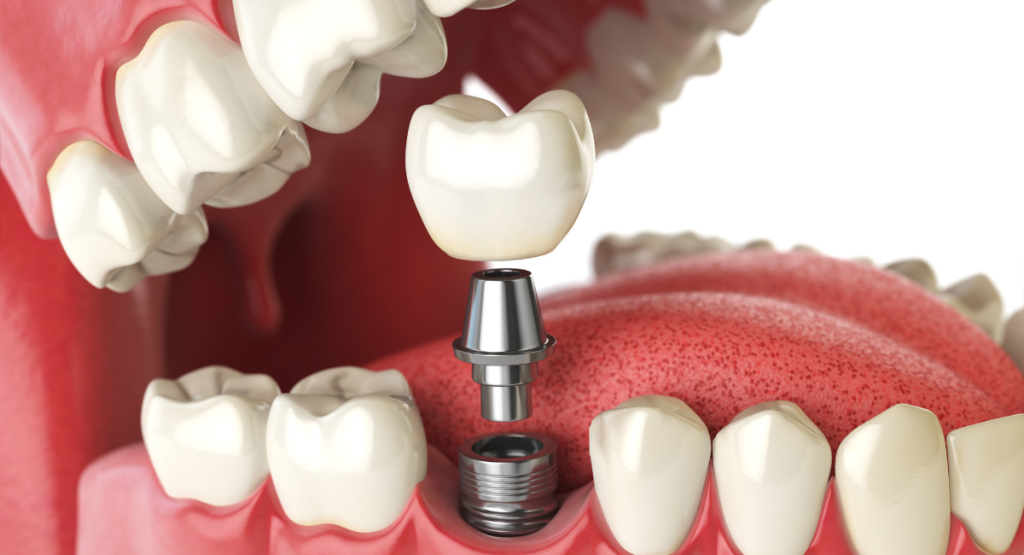
Here’s the straight-up answer: dental implants are built to be incredibly strong, and in most cases, they don’t just fall out like a loose baby tooth. Once they bond with your jawbone, they’re locked in tight, often lasting for decades or even a lifetime with proper care. That said, there are rare situations where an implant might become loose or fail, which can feel like it’s “falling out.” Don’t stress, though—these cases are uncommon, and most issues are preventable or fixable. Let’s explore why can dental implants fall out is a valid question and what might cause problems.
Reasons Dental Implants Might Fail or Loosen
While dental implants have a success rate of over 95%, a few factors can lead to issues that make you wonder, “Can dental implants fall out?” Here’s a rundown of the main reasons an implant might not stay put:
1. Trouble with Osseointegration
Osseointegration is what makes implants so secure—it’s the process where the implant fuses with your jawbone. If this doesn’t happen properly, the implant might not anchor well and could feel loose. This can occur if you have low bone density, an infection, or if the implant wasn’t placed correctly. While rare, it’s a reason why someone might ask, “Can dental implants fall out?”
2. Peri-Implantitis (The Sneaky Infection)
Think of peri-implantitis as gum disease’s annoying sibling. It’s an infection that attacks the gum and bone around the implant, which can lead to bone loss and a wobbly implant. Poor oral hygiene, smoking, or untreated gum issues can increase the risk. If caught early, peri-implantitis is treatable, but severe cases can cause implant failure, making you wonder, “Can dental implants fall out?”
3. Mechanical Mishaps
Sometimes, the problem isn’t the implant itself but the parts on top, like the crown or abutment (the piece connecting the implant to the crown). If these get damaged, worn out, or poorly fitted, they might loosen or come off, giving the impression that the implant is failing. This is usually an easy fix, but it’s enough to make you ask, “Can dental implants fall out?”
4. Too Much Pressure or Trauma
Implants are tough, but they’re not indestructible. A hard hit to the face (like from a rogue soccer ball) or habits like teeth grinding (bruxism) can put excessive force on the implant, potentially loosening it or damaging the surrounding bone. Using your teeth to crack open nuts or bottles is another way to risk trouble, leading to that “Can dental implants fall out?” moment.
5. Health and Lifestyle Factors
Your overall health plays a big role in implant success. Conditions like uncontrolled diabetes or osteoporosis can weaken your jawbone, making it harder for implants to stay secure. Smoking is another major culprit—it slows healing and boosts the risk of infection. If you’re a smoker, quitting can make a huge difference in preventing issues that prompt the question, “Can dental implants fall out?”
6. Subpar Implant Placement
The skill of your dentist or oral surgeon is critical. If an implant is placed at the wrong angle, in an area with insufficient bone, or without proper planning, it might not integrate well, increasing the chance of failure. Choosing a pro with a solid track record is key to avoiding the need to ask, “Can dental implants fall out?”
How to Keep Your Dental Implants Secure

The great news? Most implant issues are preventable with a little TLC. Here’s how to make sure your implants stay put and you never have to worry about “Can dental implants fall out?”
1. Nail Your Oral Hygiene
Treat your implants like your natural teeth—brush twice a day with a soft-bristle toothbrush, floss daily, and consider an interdental brush or water flosser to clean around the implant. Good hygiene keeps infections like peri-implantitis at bay, which is a big reason why someone might ask, “Can dental implants fall out?”
2. Stick to Regular Dental Check-Ups
Pop into your dentist’s office every 6 months (or as recommended) for check-ups and cleanings. They can spot early signs of trouble, like gum inflammation or loose components, before they become serious. Regular visits are a simple way to ensure you never have to wonder, “Can dental implants fall out?”
3. Protect Your Smile
If you grind your teeth at night or play contact sports, ask your dentist for a custom mouthguard. This protects your implants from excessive force or injury. Also, avoid using your teeth as tools (no opening beer bottles!), as this can lead to damage and that dreaded “Can dental implants fall out?” concern.
4. Pick a Top-Notch Dentist
The best way to prevent implant failure is to choose an experienced dentist or oral surgeon. Look for someone with a strong background in implant dentistry, and don’t hesitate to ask about their success rates or check reviews. A skilled pro reduces the odds of ever needing to ask, “Can dental implants fall out?”
5. Stay Healthy
Your body’s health impacts your implants. Manage conditions like diabetes, eat foods rich in calcium and vitamin D to support bone strength, and consider kicking smoking to the curb. These steps boost your chances of long-term implant success, so you won’t be googling “Can dental implants fall out?”
6. Follow Post-Surgery Care
After getting your implants, your dentist will give you a game plan—think soft foods, no smoking, and avoiding strenuous activity for a bit. Stick to these instructions like glue to give your implants the best shot at fusing with your jawbone, eliminating any “Can dental implants fall out?” worries.
What If an Implant Does Get Loose?
In the rare case that an implant feels wobbly or fails, don’t freak out—it’s fixable. Here’s what might happen:
- Diagnosis: Your dentist will take X-rays or a CT scan to check the implant and surrounding bone. They’ll figure out if the issue is with the implant, the crown, or something else.
- Treatment: Minor problems, like a loose screw or crown, can often be fixed in a single visit. For infections like peri-implantitis, treatments like deep cleaning or antibiotics might be needed. Severe cases may require bone grafting.
- Replacement: If an implant fails completely, it can usually be removed, and after healing (sometimes with bone grafting), a new implant can be placed. This is rare but answers the question, “Can dental implants fall out?”
The key is to see your dentist ASAP if you notice pain, swelling, or looseness. Early action can save your implant and keep that “Can dental implants fall out?” fear at bay.
Can Dental Implants Last Forever?
With the right care, dental implants can last a lifetime. The titanium post is built to withstand the test of time, and many patients enjoy their implants for decades without issues. The crown or restoration on top might need replacing every 10-15 years due to wear and tear, but that’s a minor fix compared to the implant itself. By following the tips above, you can keep “Can dental implants fall out?” from ever crossing your mind.
What the Experts Say
Studies show dental implants are a reliable long-term solution. The American Academy of Implant Dentistry reports a success rate of 95-98% over 10+ years. Most failures happen early (within the first year) due to issues like infection or poor healing, which is why choosing a skilled dentist and following their advice is so important. With proper care, the chances of needing to ask “Can dental implants fall out?” are slim to none.
Your Smile, Your Confidence
So, can dental implants fall out? While it’s possible in rare cases, dental implants are designed to be a permanent, worry-free solution. By keeping up with oral hygiene, visiting your dentist regularly, choosing a skilled professional, and living a healthy lifestyle, you can ensure your implants stay secure for the long haul. No more stressing about “Can dental implants fall out?”—just enjoy your confident, dazzling smile.
Got questions about dental implants or tips for keeping them in tip-top shape? Drop a comment below or chat with your dentist for personalized advice. Your smile’s worth it!
