
Dental fillings are one of the most common dental procedures performed to restore teeth that have been damaged by cavities, cracks, or wear. When you have a cavity, your dentist cleans out the decayed part of your tooth and fills it with a material to restore its strength and shape. Fillings are essential for maintaining the health and function of your teeth, and many patients wonder: How long dental fillings last? Understanding the lifespan of your fillings is important because it helps you know when to schedule checkups and potential replacements.
So, how long dental fillings last depends on several factors, including the material used, the size of the cavity, and the patient’s oral care habits. A filling can last anywhere from a few years to decades, depending on how well it’s taken care of. For example, amalgam fillings, which are durable and used for large cavities, may last longer than composite fillings, which are used for smaller cavities and are more aesthetic.
While fillings can last for many years, it’s essential to know that even the best fillings eventually wear down. Regular checkups with your dentist can help you monitor the condition of your fillings, ensuring that any signs of wear are caught early. Understanding how long your fillings last will help you make the best decisions for your dental health and budget.
At Avenue Dental Care, we use high-quality materials to ensure your fillings last as long as possible. But to get the most out of your fillings, it’s important to maintain excellent oral hygiene and avoid habits that can shorten their lifespan.
The Key Factors That Influence How Long Your Fillings Will Last

When you wonder, “How long dental fillings last?”, it’s important to recognize that their lifespan is influenced by a variety of factors. The material of the filling, the location and size of the cavity, your oral hygiene habits, and even your lifestyle choices all play a part in determining how long dental fillings last. Let’s dive deeper into these factors.
Material of the Filling
The type of material used for your filling is one of the most important factors in determining its longevity. Here’s a look at some common filling materials and how long they generally last:
- Amalgam Fillings (Silver Fillings): Amalgam fillings are known for their strength and durability. They can last anywhere from 10 to 15 years, making them an excellent choice for large cavities in the back of the mouth where chewing pressure is high.
- Composite Fillings (Tooth-Colored Fillings): These fillings, which blend seamlessly with your natural teeth, are a great aesthetic choice, but they may only last around 5 to 10 years. The longevity of composite fillings can depend on the size of the cavity and your oral care habits.
- Porcelain Fillings: Porcelain is highly durable and resistant to staining, and these fillings can last 10 to 15 years. However, porcelain is more brittle than amalgam, so it may not be ideal for large fillings in areas with heavy chewing pressure.
- Gold Fillings: Gold fillings are incredibly durable, often lasting 15 to 20 years or more. However, they are more expensive and less aesthetic than other materials, so they’re typically used in less visible areas.
Size and Location of the Filling
The location and size of your filling also have a big impact on how long it lasts. Fillings in the back of the mouth, where you do most of your chewing, are subjected to higher pressure and may wear down more quickly. Larger fillings are also more likely to fail over time because they have more stress placed on them. In contrast, smaller fillings in less-used areas may last longer with proper care.
Oral Hygiene and Care
Your oral hygiene habits play a major role in determining the lifespan of your fillings. If you don’t brush and floss regularly, plaque and bacteria can build up around the filling, leading to further decay and potentially reducing the filling’s lifespan. Maintaining good oral hygiene ensures that how long dental fillings last is maximized, helping to prevent premature wear or the need for replacement.
How Long Do Different Types of Fillings Actually Last?
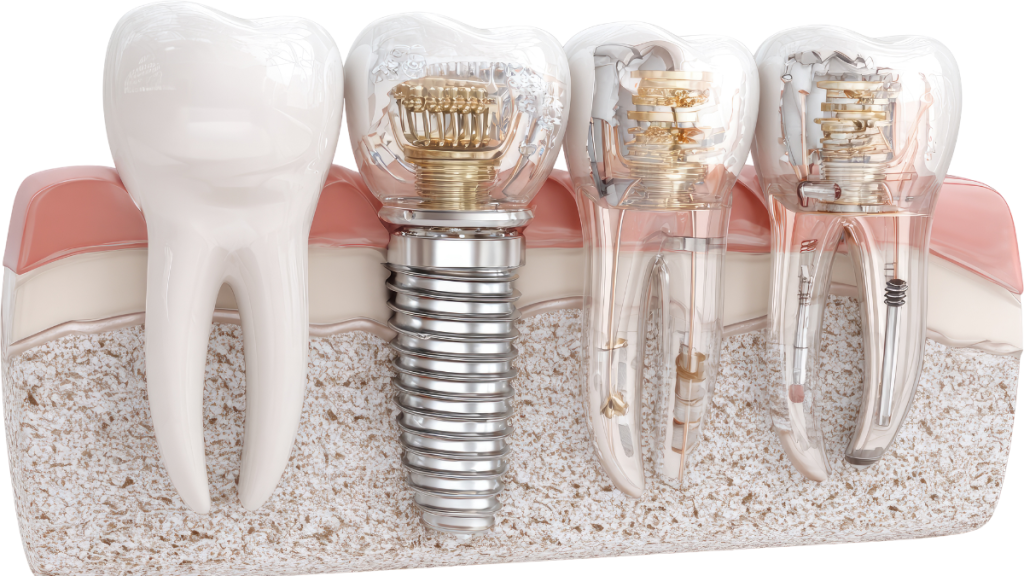
One of the most common questions patients ask when getting dental work done is, “How long dental fillings last?” The answer depends largely on the material used for the filling. Let’s break down the most popular types of fillings and their average lifespan:
Amalgam Fillings (Silver Fillings)
Amalgam fillings are made from a mixture of metals like silver, mercury, and tin. These are durable and strong, making them ideal for larger cavities in the back of the mouth where the pressure from chewing is the highest. Amalgam fillings can last between 10 to 15 years, and sometimes even longer, with proper care. They are often the best choice for those looking for a long-lasting, cost-effective solution to filling cavities.
Composite Fillings (Tooth-Colored Fillings)
Composite fillings are made from a mixture of resins and glass, and they match the natural color of your teeth. These are great for fillings in the visible areas of the mouth. However, composite fillings generally last between 5 to 10 years. While they’re aesthetically pleasing, they’re not as durable as other materials, especially when subjected to heavy chewing.
Porcelain Fillings
Porcelain fillings are made of a durable ceramic material, making them both strong and aesthetically pleasing. Porcelain fillings can last anywhere from 10 to 15 years, with the added benefit of being highly resistant to staining. While they are a great choice for visible teeth, they can be more brittle than other filling types, making them less ideal for large cavities in the back teeth.
Gold Fillings
Gold fillings are one of the longest-lasting options available, lasting anywhere from 15 to 20 years or even longer with proper care. Gold is highly durable and resistant to wear, making it a good option for fillings in the back teeth. However, gold fillings are quite expensive and less aesthetic than other materials, so they’re typically used in areas that aren’t easily visible.
Each filling material has its own set of pros and cons, but they all offer a long-lasting solution if cared for properly. Understanding how long dental fillings last based on the material will help you choose the right one for your needs.
Spotting the Signs: When Should You Replace Your Filling?

If you’re wondering, “How long dental fillings last?”, it’s not just about the material but also how well the filling holds up over time. Sometimes, fillings wear down faster than expected due to various factors like oral hygiene or diet. Here are a few signs that it might be time to replace your filling:
Tooth Sensitivity or Pain
If you start experiencing pain when eating or drinking hot or cold foods, your filling may be worn out or cracked. Tooth sensitivity is often an early sign that a filling is no longer providing the necessary protection for your tooth. If this happens, it’s important to schedule an appointment with your dentist to assess the filling and determine if it needs to be replaced.
Cracks or Chips in the Filling
Fillings, like natural teeth, can crack or chip over time due to everyday wear and tear. If you notice that your filling has a visible crack or chip, it’s a clear indicator that it might need to be replaced soon. A damaged filling can lead to further decay of the tooth, so it’s best to replace it as soon as possible to avoid complications.
Cavity Around the Filling
Another common sign that your filling might need replacing is when a cavity forms around the edge of the filling. This can happen if the filling begins to loosen or wear down over time, creating a gap where bacteria can enter. If left untreated, this could lead to more decay and possibly the need for a root canal.
Filling Falling Out or Loosening
If your filling comes loose or falls out completely, it’s an obvious sign that it’s time for a replacement. Missing fillings not only leave the tooth vulnerable to further decay but also affect the overall function of your mouth. Visit your dentist immediately if this happens to prevent any long-term damage.
Being aware of the signs that your filling may need replacement is key to maintaining your oral health. Monitoring the condition of your fillings ensures that you’re proactive about their care and can help answer the question, “How long dental fillings last?”
Lifespan Breakdown: How Long Should Fillings Last Based on the Material?
When patients ask, “How long dental fillings last?”, the answer can vary depending on the material used for the filling and how well you care for your oral health. Different filling materials come with different lifespans, and understanding these can help you better plan for your dental care. Let’s take a closer look at how long the most common types of fillings typically last:
Amalgam Fillings (Silver Fillings)
Amalgam fillings are one of the most durable and long-lasting options. They are made from a mixture of metals like silver, mercury, tin, and copper, which makes them strong enough to withstand the pressure from chewing, especially in the back teeth. Amalgam fillings usually last between 10 and 15 years, and in some cases, they can last even longer if cared for properly. They are considered a reliable, cost-effective solution for larger cavities.
Composite Fillings (Tooth-Colored Fillings)
Composite fillings, made of a resin-based material, are a popular choice for their natural appearance. These fillings are designed to blend in with the natural color of your teeth, making them ideal for visible areas. However, composite fillings generally last between 5 and 10 years. They are more prone to wear and tear than amalgam fillings, especially when used in large cavities or on teeth that undergo heavy chewing pressure.
Porcelain Fillings
Porcelain fillings are highly durable and offer excellent aesthetic appeal, closely resembling natural teeth. They are resistant to staining and can withstand moderate chewing pressure. Porcelain fillings can last anywhere from 10 to 15 years. While durable, they can be more brittle than amalgam or gold, so they’re typically used for smaller cavities in the front of the mouth.
Gold Fillings
Gold fillings are one of the longest-lasting options available. Made from a mixture of gold and other metals, gold fillings are incredibly durable and resistant to wear. Gold fillings can last anywhere from 15 to 20 years, and they are especially ideal for people who want a filling that will withstand the test of time. However, they are more expensive and less aesthetically pleasing than other filling options, so they are typically reserved for back teeth.
Each filling type offers distinct advantages, but how long dental fillings last is directly tied to the material used and the location of the filling. Choosing the right filling material for your needs can help ensure long-lasting results.
Why Your Fillings Don’t Last Forever: Key Reasons Explained
While fillings are designed to be durable and restore the function of damaged teeth, it’s important to understand that no dental filling will last forever. Over time, fillings can become worn down due to a variety of factors. Here are a few reasons why fillings don’t last forever:
Natural Wear and Tear
As we use our teeth every day for chewing, grinding, and biting, fillings inevitably undergo wear and tear. The constant pressure of chewing can cause fillings to gradually break down, lose their shape, or become less effective at protecting the tooth. For instance, amalgam fillings, though durable, can develop cracks or weaken over time, while composite fillings are more prone to gradual wear due to their softer nature.
Temperature Changes
One of the reasons fillings don’t last forever is because of the temperature fluctuations caused by hot and cold food and drinks. Each time you consume something hot or cold, your filling and the surrounding tooth structure expand and contract. Over time, this constant expansion and contraction can cause fillings to crack or wear down, reducing their lifespan.
Chewing Pressure
The pressure from chewing, especially on larger fillings in the back teeth, can cause fillings to break down more quickly. Gold fillings are highly resistant to this type of wear, but composite and porcelain fillings may weaken more easily due to the force applied while chewing. If a filling is placed in an area of the mouth that sees a lot of chewing activity, like the molars, it may not last as long as fillings placed in less used areas.
Decay Around the Filling
One of the biggest factors that shorten the lifespan of fillings is the decay that can develop around the edges of the filling. Even the best fillings can eventually wear down and leave small gaps where bacteria can enter and cause further decay. This can result in the need for a filling replacement earlier than expected.
Understanding why fillings wear down over time can help you better maintain your oral health. Regular dental checkups can ensure your fillings are still doing their job and help you understand how long dental fillings last for you specifically.
Top Tips to Maximize the Longevity of Your Fillings
Now that you understand the factors that affect how long dental fillings last, it’s important to know the best practices for extending their lifespan. While fillings are designed to be durable, their longevity depends on how well you care for your teeth and fillings over time. Here are some tips to help ensure your fillings stay in good shape for as long as possible:
Brush and Floss Regularly
Good oral hygiene is key to maintaining the integrity of your fillings. Brushing at least twice a day with fluoride toothpaste helps remove plaque and bacteria from your teeth and fillings. Additionally, flossing once a day prevents plaque buildup between teeth and around the edges of your fillings, which can lead to decay and filling failure. Maintaining a clean mouth is one of the best ways to make your fillings last longer.
Avoid Hard and Sticky Foods
While it may be tempting to chew on hard candies or ice, these foods can cause significant damage to your fillings. Hard foods, like ice or crunchy snacks, can crack or chip fillings, especially composite or porcelain ones, which are more brittle. Sticky foods, like caramel or taffy, can dislodge fillings or cause them to weaken over time. Avoiding these foods can help preserve how long dental fillings last and protect your teeth from unnecessary stress.
Wear a Nightguard if You Grind Your Teeth
Many people grind their teeth at night without realizing it, a condition known as bruxism. If you grind your teeth, especially during sleep, you could be putting extra pressure on your fillings, which can wear them down faster. Wearing a custom nightguard can protect your fillings from excessive wear, ensuring they last longer and reducing the risk of damage.
Schedule Regular Dental Checkups
Regular visits to your dentist are essential for maintaining your fillings. Dentists can spot potential problems early, such as decay around the edges of the filling or cracks in the material. Having your fillings checked at least once a year will help identify any issues before they require costly repairs or replacements. The earlier you catch any issues, the longer your fillings will last.
By practicing these simple habits, you can extend the lifespan of your fillings and ensure that your investment in dental care pays off for years to come. If you’re concerned about how long dental fillings last in your case, your dentist can provide personalized tips based on the materials used and your specific oral habits.
When to Visit Your Dentist: Recognizing Filling Issues Early
Knowing how long dental fillings last is essential, but it’s also crucial to recognize when it’s time to see your dentist. Even though fillings are designed to last for several years, they are not indestructible. Over time, wear and tear can lead to problems that require professional attention. Here are a few signs that it’s time to visit your dentist:
Tooth Sensitivity or Pain
If you experience discomfort when eating hot, cold, or sweet foods, or if chewing causes pain, it may be a sign that your filling is damaged or deteriorating. Sensitivity around your filling can indicate that it no longer fits properly, leaving your tooth vulnerable to decay. If this happens, it’s a good idea to visit your dentist to determine whether the filling needs to be replaced.
Cracked or Chipped Fillings
Fillings can crack or chip over time, especially if you have large fillings or if the material isn’t as durable as others. Amalgam fillings are typically more resistant to cracking, but composite and porcelain fillings can be more fragile. If you notice any visible damage, such as chips or cracks in your filling, it’s time to make an appointment for a replacement.
Filling is Loose or Missing
If your filling becomes loose or falls out entirely, it’s essential to see your dentist as soon as possible. A loose filling can expose your tooth to bacteria and decay, potentially leading to more severe dental problems like cavities or infections. Don’t wait for the issue to get worse—schedule a visit immediately.
Decay Around the Filling
Over time, decay can form around the edges of your filling, especially if the filling is worn down. If you notice a dark spot around the filling or if your dentist detects early decay, it’s crucial to get the filling replaced to prevent further damage. This is why regular dental checkups are so important in ensuring how long dental fillings last and staying on top of oral health.
By visiting your dentist regularly and addressing any signs of damage early, you can extend the lifespan of your fillings and avoid needing premature replacements. Taking proactive steps is the best way to ensure your fillings remain effective for as long as possible.
Costs of Replacing Fillings: What Affects the Need for Filling Replacements?
The cost of replacing a filling depends on several factors, including the material, size, and location of the filling. If you’re wondering “how long dental fillings last”, it’s also important to understand when replacement might be necessary and what could influence the need for a new filling.
Material and Longevity
Different types of fillings have varying levels of durability. Amalgam fillings are typically the longest-lasting and are often the most cost-effective, but composite fillings offer a more natural appearance. Porcelain and gold fillings, while incredibly durable, are less commonly used due to aesthetic and material considerations. Understanding the material’s lifespan can help you decide which option is best for your long-term dental health.
Factors Affecting Replacement
Your oral hygiene and lifestyle habits can also impact how often you need a replacement. Fillings can last much longer with good care, such as consistent brushing and flossing, avoiding hard or sticky foods, and visiting your dentist regularly for checkups. Fillings in areas with less pressure from chewing (such as front teeth) tend to last longer than those placed in the back teeth, which endure more force when chewing.
When fillings are damaged or start to wear down, they may need to be replaced to avoid further dental issues. A visit to your dentist will help assess the condition of your fillings and determine if it’s time for a replacement.
Conclusion
Understanding how long dental fillings last is key to maintaining a healthy smile. While fillings provide effective protection against tooth decay, they don’t last forever and may eventually need to be replaced. However, by knowing the factors that affect their lifespan, you can take steps to ensure they last as long as possible.
To extend the life of your fillings:
- Maintain a solid oral hygiene routine: Brush at least twice a day, floss daily, and use mouthwash to protect your fillings from bacteria.
- Avoid harmful foods: Stay away from hard or sticky foods that can damage or loosen fillings.
- Wear a nightguard if you grind your teeth: This can protect your fillings from the pressure of grinding.
- Schedule regular checkups: Regular visits to your dentist help spot issues early, preventing the need for premature replacements.
By taking these precautions and regularly checking the condition of your fillings, you can ensure that your fillings last for many years, keeping your smile bright and your teeth healthy. If you have any concerns about your fillings, don’t hesitate to contact Avenue Dental Care for a professional assessment.
