
Dental crowns are a common solution for damaged teeth, offering strength and a natural look, whether you’re in bustling Dhaka or serene Sylhet. In Bangladesh, where spicy biryani and sugary mishti are dietary staples, crowns protect teeth weakened by decay or injury. However, crowns can fail over time, leading to discomfort or costly repairs if ignored. Recognizing the signs your dental crown is failing is crucial for timely action, ensuring your smile stays bright for Eid celebrations or daily life in Chattogram. This guide covers the key signs your dental crown is failing, why they happen, and practical steps for Bangladeshis to address them affordably.
What Is a Dental Crown?
A dental crown is a cap placed over a damaged tooth to restore its shape, strength, and appearance. Made from materials like porcelain, ceramic, or metal, crowns are common in Bangladesh for fixing cavities, cracks, or post-root canal teeth. At clinics like Square Hospital (Dhaka) or Max Hospital (Chattogram), crowns cost BDT 5,000–15,000, depending on material. While durable, crowns aren’t indestructible, and spotting the signs your dental crown is failing early can prevent complications like tooth loss or infections, especially in Bangladesh’s humid climate where bacteria thrive.
Why Do Dental Crowns Fail?
Crowns can fail due to wear, poor fit, or underlying dental issues. In Bangladesh, factors like chewing paan, eating hard nuts, or inconsistent oral hygiene can stress crowns. Other causes include:
- Poor Installation: If the crown isn’t fitted properly at clinics like Dental Health Centre (Banani), it may loosen.
- Decay: Bacteria under the crown, common with sugary diets, can weaken the tooth.
- Trauma: Biting hard foods like sugarcane or accidents can crack crowns.
- Material Wear: Porcelain or metal crowns degrade over 5–15 years.
Knowing the signs your dental crown is failing helps you catch these issues early, saving pain and expense.
Key Signs Your Dental Crown Is Failing
Here are the top signs your dental crown is failing, tailored for Bangladeshis to watch for in daily life:
1. Pain or Sensitivity
If you feel pain or sensitivity when chewing spicy fuchka or sipping hot chai, it’s a red flag. Sensitivity to hot, cold, or sweet foods (like roshogolla) may indicate decay under the crown or a loose fit.
- Why It Happens: Bacteria may have seeped under the crown, irritating the tooth, or the crown may be pressing on nerves.
- What to Do: Visit a dentist at Apollo Hospital (Dhaka) or a local clinic in Sylhet. Avoid hot or cold foods until checked.
This is a critical sign your dental crown is failing, as persistent pain signals underlying issues.
2. Loose or Wobbly Crown
A crown that feels loose when you eat khichuri or talk could be detaching from the tooth. This is common if the cement weakens, especially with sticky paan or hard chanachur.
- Why It Happens: The adhesive may degrade, or the tooth underneath may have decayed.
- What to Do: Book an appointment at Bangabandhu Sheikh Mujib Medical University (~BDT 1,000 consultation) to re-cement or replace the crown.
A loose crown is a clear sign your dental crown is failing and needs immediate attention.
3. Gum Irritation or Swelling
Red, swollen, or bleeding gums around the crown, especially after eating spicy curry, suggest irritation or infection. In Bangladesh’s humid climate, bacteria can thrive under poorly fitted crowns.
- Why It Happens: Food particles or bacteria trapped under the crown cause inflammation, potentially leading to gum disease.
- What to Do: Rinse with warm saltwater (~BDT 20) and consult a dentist at Evercare Hospital (Chattogram).
Gum issues are a serious sign your dental crown is failing, as they can lead to periodontitis.
4. Visible Damage or Cracks
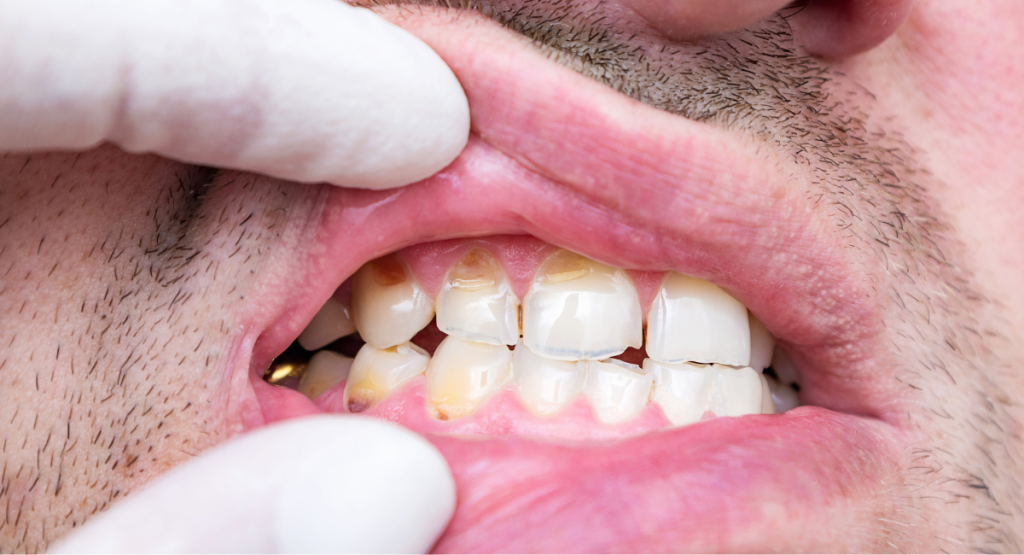
Cracks, chips, or worn edges on the crown, noticeable when brushing or eating, indicate structural failure. This is common with porcelain crowns after years of chewing betel nut or hard jilapi.
- Why It Happens: Wear from tough foods or trauma weakens the crown’s integrity.
- What to Do: Visit a clinic like Labaid (Dhaka) for a replacement. Avoid hard foods like nuts (~BDT 200/kg).
Visible damage is a key sign your dental crown is failing, requiring prompt repair.
5. Bad Breath or Taste

Persistent bad breath or a metallic taste, even after brushing with Colgate (~BDT 100), can signal decay or infection under the crown, especially after eating fish curry or paan.
- Why It Happens: Bacteria buildup under a loose or poorly sealed crown causes odor or taste changes.
- What to Do: Use a saltwater rinse and see a dentist at a local clinic (~BDT 500–1,000).
This sign your dental crown is failing warns of potential infection, common in Bangladesh’s diet-heavy culture.
6. Change in Bite or Alignment
If your bite feels off when eating rice or your teeth don’t align properly, the crown may be too high or shifting. This can cause jaw pain or discomfort during meals.
- Why It Happens: A misfitted crown or tooth movement alters your bite.
- What to Do: Consult a dentist at Chittagong Medical College for adjustment or replacement.
A changed bite is a subtle sign your dental crown is failing, impacting comfort and function.
What to Do If You Notice These Signs
If you spot any signs your dental crown is failing, act quickly to avoid complications like tooth loss or infection:
- Contact a Dentist: Book an appointment at clinics like United Hospital (Dhaka) or MAG Osmani Medical College (Sylhet). Consultations cost ~BDT 500–2,000.
- Temporary Care: Rinse with warm saltwater (~BDT 20) to reduce bacteria. Avoid chewing on the crown side.
- Avoid Triggers: Skip hard, sticky, or spicy foods like chanachur or fuchka to prevent further damage.
- Follow-Up: Dentists may re-cement, repair, or replace the crown, costing BDT 5,000–15,000 depending on material.
Acting on these signs your dental crown is failing prevents costly treatments and keeps your smile intact.
Preventing Dental Crown Failure in Bangladesh
Prevention is better than repair. These tips, tailored for Bangladeshi lifestyles, reduce the risk of crown failure:
- Maintain Oral Hygiene: Brush twice daily with fluoride toothpaste (~BDT 100, local stores) and floss (~BDT 200, Guardian) to prevent decay under the crown.
- Limit Damaging Foods: Avoid hard nuts, sticky roshogolla, or abrasive paan, which stress crowns.
- Regular Checkups: Visit a dentist every 6 months at clinics like Dental Health Centre (~BDT 1,000) to catch signs your dental crown is failing early.
- Protect Your Teeth: Avoid chewing sugarcane or opening bottles with your teeth, common in Bangladesh.
These habits extend your crown’s life, minimizing signs your dental crown is failing.
Local Remedies to Support Oral Health
Bangladesh’s markets offer natural solutions to support crown care, complementing professional treatment:
- Neem Sticks: Chew neem sticks (~BDT 50, New Market) to clean teeth and fight bacteria.
- Clove Oil: Apply a drop (~BDT 100, pharmacies) to soothe gum irritation around the crown.
- Saltwater Rinse: Mix salt with warm water (~BDT 20) for a daily rinse to reduce bacteria.
Consult your dentist before relying on remedies, as they support but don’t replace professional care for signs your dental crown is failing.
Cost of Fixing a Failed Crown in Bangladesh
Fixing a failed crown is affordable in Bangladesh:
- Re-cementing: BDT 2,000–5,000 at private clinics like Square Hospital.
- Replacement: BDT 5,000–15,000, depending on material (porcelain, ceramic, or metal).
- Dental Colleges: Bangabandhu Sheikh Mujib Medical University or Chittagong Medical College offer lower-cost options (~BDT 3,000–8,000).
Early action on signs your dental crown is failing saves money compared to root canals or extractions (~BDT 10,000–20,000).
Where to Get Dental Care in Bangladesh
Accessing quality dental care is easy:
- Dhaka: Square Hospital, United Hospital, or Dental Health Centre (Banani) offer modern facilities (~BDT 500–2,000 consultation).
- Chattogram: Max Hospital or Chittagong Medical College provide affordable care (~BDT 300–1,500).
- Sylhet: MAG Osmani Medical College or Zindabazar clinics (~BDT 300–1,000).
- Online Booking: Platforms like Doctorola.com connect you with dentists nationwide.
Check credentials and reviews to ensure quality care for signs your dental crown is failing.
FAQs About Dental Crown Failure in Bangladesh
Q: How long do dental crowns last?
A: Typically 5–15 years, depending on material and care. Regular checkups catch issues early.
Q: Can I eat paan with a crown?
A: Avoid it, as sticky paan can loosen crowns, a key sign your dental crown is failing.
Q: Is crown replacement painful?
A: No, it’s similar to getting the original crown, with minimal discomfort.
Q: How can I afford crown repairs?
A: Dental colleges or local clinics offer budget-friendly options (~BDT 3,000–8,000).
Conclusion
Recognizing the signs your dental crown is failing—like pain, looseness, or gum irritation—lets you act fast, saving your smile and wallet in Bangladesh’s food-loving culture. Visit a dentist at the first sign of trouble, maintain good oral hygiene, and avoid damaging foods like paan or nuts. Whether in Dhaka or Cox’s Bazar, keep your crown strong for a confident smile. Share your dental care tips in the comments!
